
Five ways my Switch 2 could be a better travel companion
As the Nintendo Switch 2 passes its first birthday, here's the tweaks that could make the world's most modern portable console just that much better.

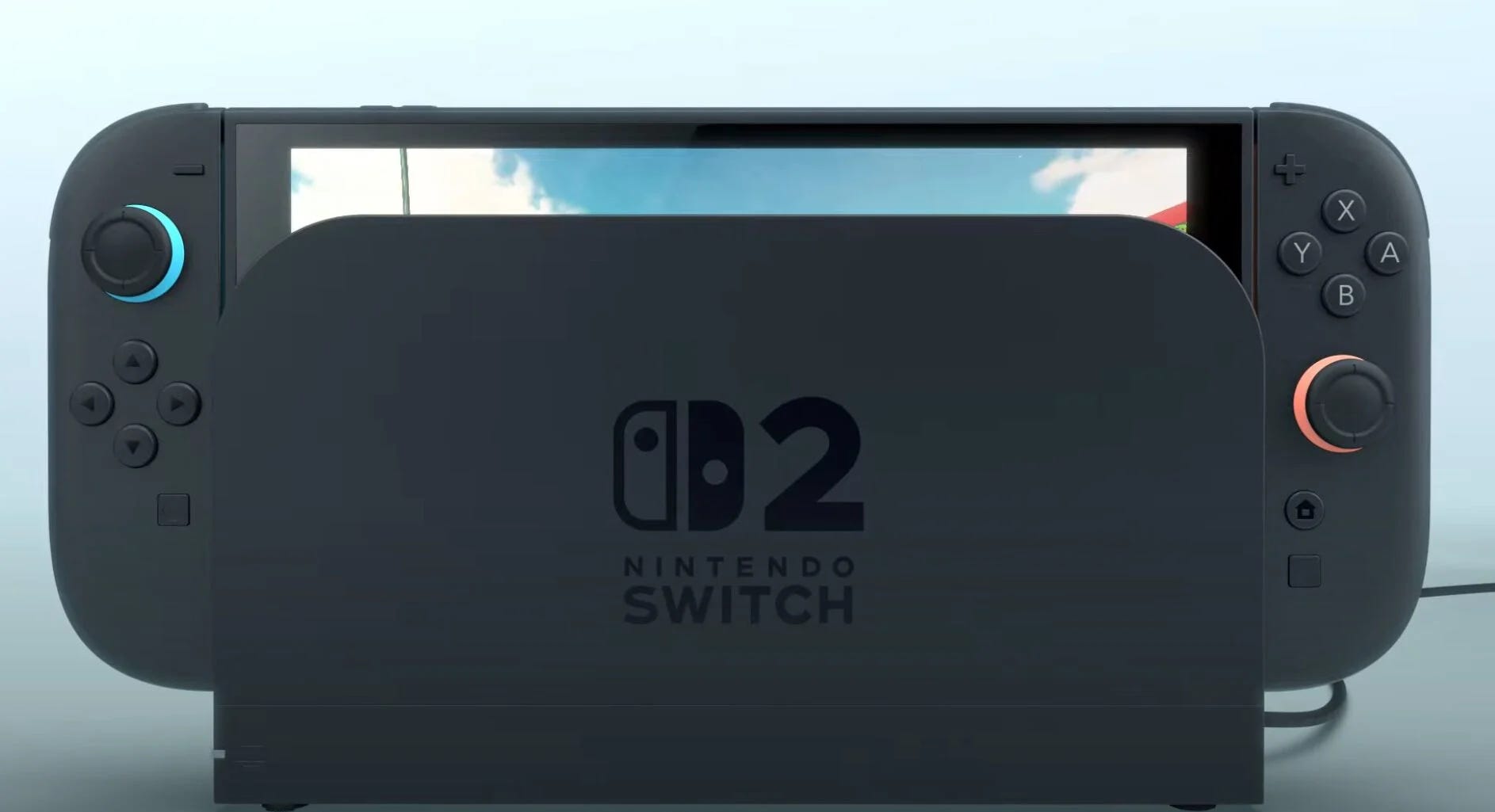
These past few months I’ve been getting pretty close and personal with my Switch 2. I divorced my Playstation 5 for a year, as there’s no way I could lug it around Europe and the UK for nine months.
But, travel, they say, is a pressure cooker for all relationships. And while I still love what it brings to the table, I wish my Switch 2 could do more? Support me more broadly. Solve problems rather than create them.
This has got nothing to do with games. Nor with how they play. But as the most nomadic console, I feel there’s a few low-hanging features that could really buff up its portability. Some of which Nintendo could fix with a simple software update.
The Switch 2 turns one this month, and now costs more than it did at launch thanks by-in-large to the AI-fuelled memory crisis among other factors. So surely a bit of advice on how to improve it is welcome? Here’s what I came up with, it’s by no means a definitive list.
Seamlessly take wifi logins from your phone
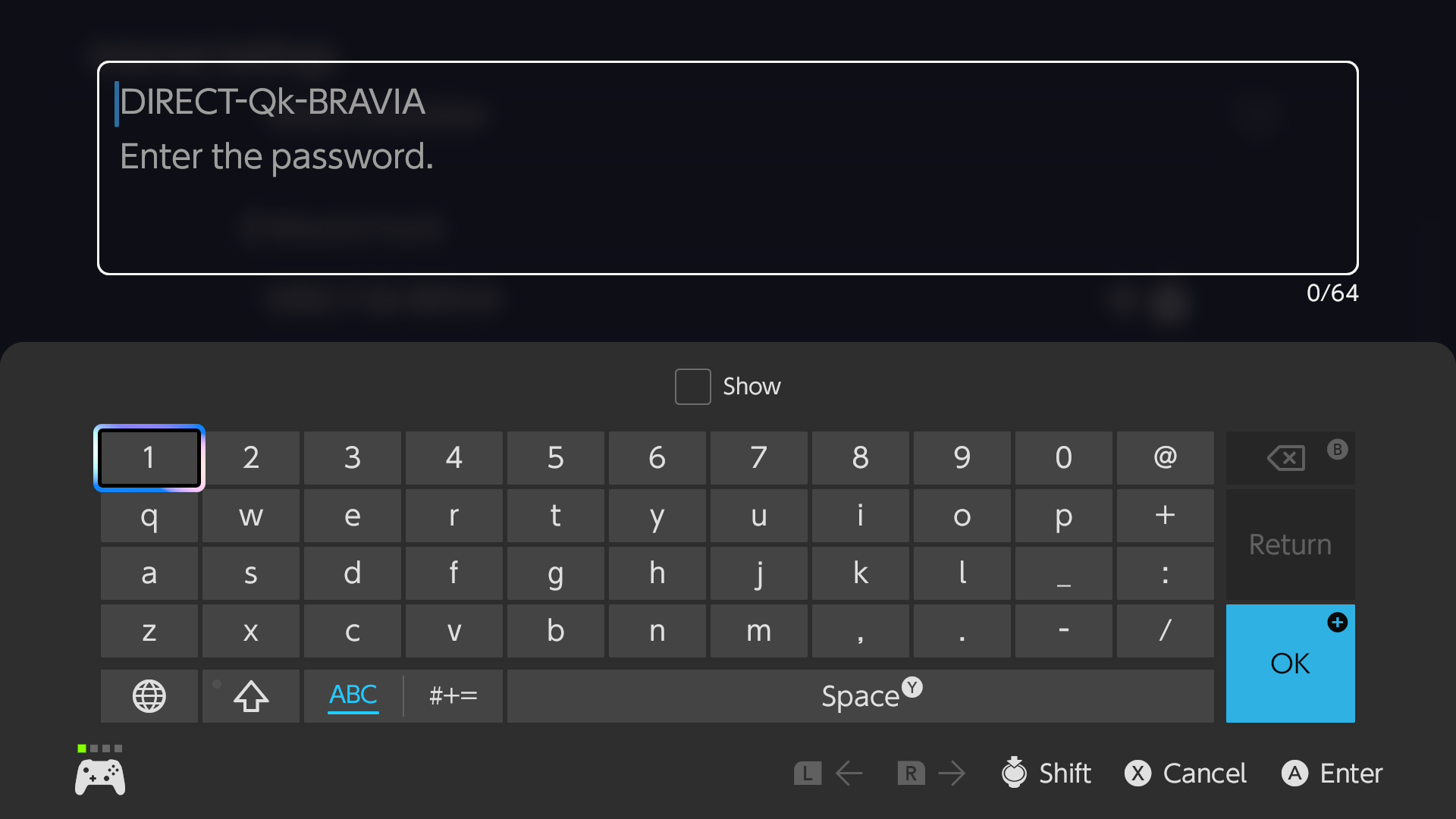
Entering in new wifi credentials with each and every destination is somewhat of a rite of passage with travelling. The biggest pain point for gamers is that we often have to do it more than once, and often using a finicky game device keyboard the second time around.
To boot, newer routers typically come bundled with randomised passwords for added security. Gone are the days of “Admin” or “Password” as passkeys. Now they are often a soup of letters and numbers, with punctuation to boot. You will get them wrong at least once.
Both Apple and Android have solved this with their devices. You only need to enter it once, then it ports to each other devices on their ecosystem. There has to be a way in which gaming companies can follow suit, possibly connecting to your phone to solve this significant pain point.
Offer a travel-friendly version of the Dock
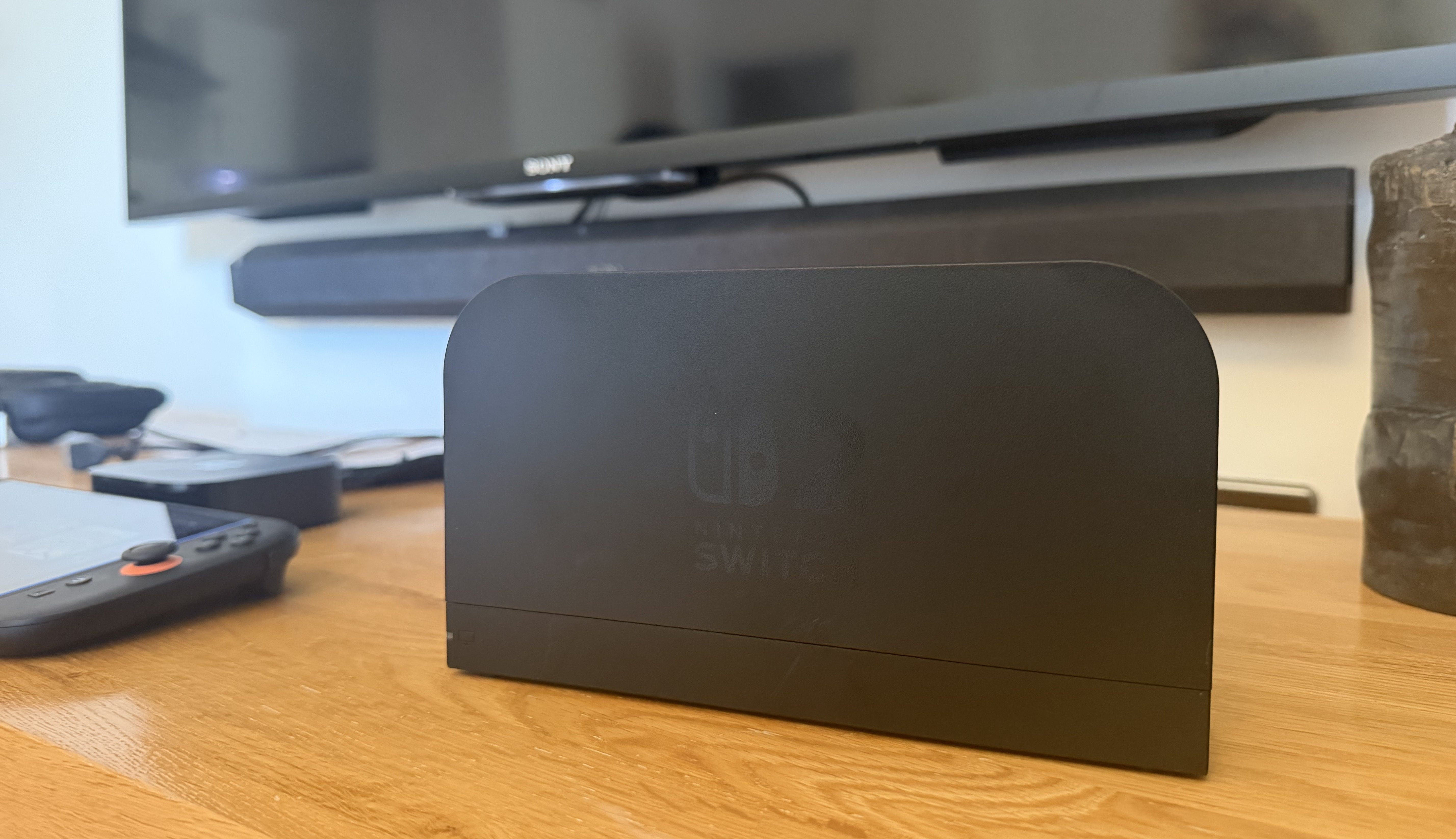
There’s a strong argument that all of the docks for the existing portable consoles were not designed for travel. The console itself is the portable component. But with extended stints abroad, staring at a small screen for extended gaming sessions will literally send you cross-eyed.
Most accommodation these days usually sports a TV with a HDMI port. It may be a decade old, but so is HDMI technology.
Yet, the dock itself does not travel well. It’s clunky in a suitcase, too big for carry on, and slightly adds to your overall travel weight.
There are third party docks designed for this. you can spend hours on Amazon and Youtube pinpointing them all, and trying to verify their claims on whether they actually work. All to be taken offline with one simple unexplained update from Nintendo.
For my money, I’d strongly prefer that Nintendo either release their own travel dock or design their docks to be highly portable?
Serve as a platform for TV streaming services
Once upon a time, Nintendo dipped its toe into the realm letting video streaming services onto its ecosystem on the Nintendo Wii. This was back when both Xbox and Sony were attempting to “own the living room”, launching their respective consoles as multimedia hubs.
That’s still somewhat the case, though Nintendo has retreated a little. Both the Switch and Switch 2 cannot stream Netflix and other services. TVs have gotten smarter since them too. Now most of them offer streaming services natively. So what’s the issue?
Logging in and out of each of them is an absolute pain. Not all smart TVs are born equal either; especially in Airbnbs where you are largely inheriting your host’s TV of generations past. Most I’ve dealt with require you to manually enter your credentials with the remote control. Not all of them are second-screen or cast compatible too.
So, the solution? Just hook your console up to your TV, and it streams for you. You can also download movies and watch them on the go, saving you packing an iPad and your console. With stationary consoles this makes a lot less sense in the era of smart TVs. With portable ones, we may be onto something.
Give you the option for mobile-data connectivity
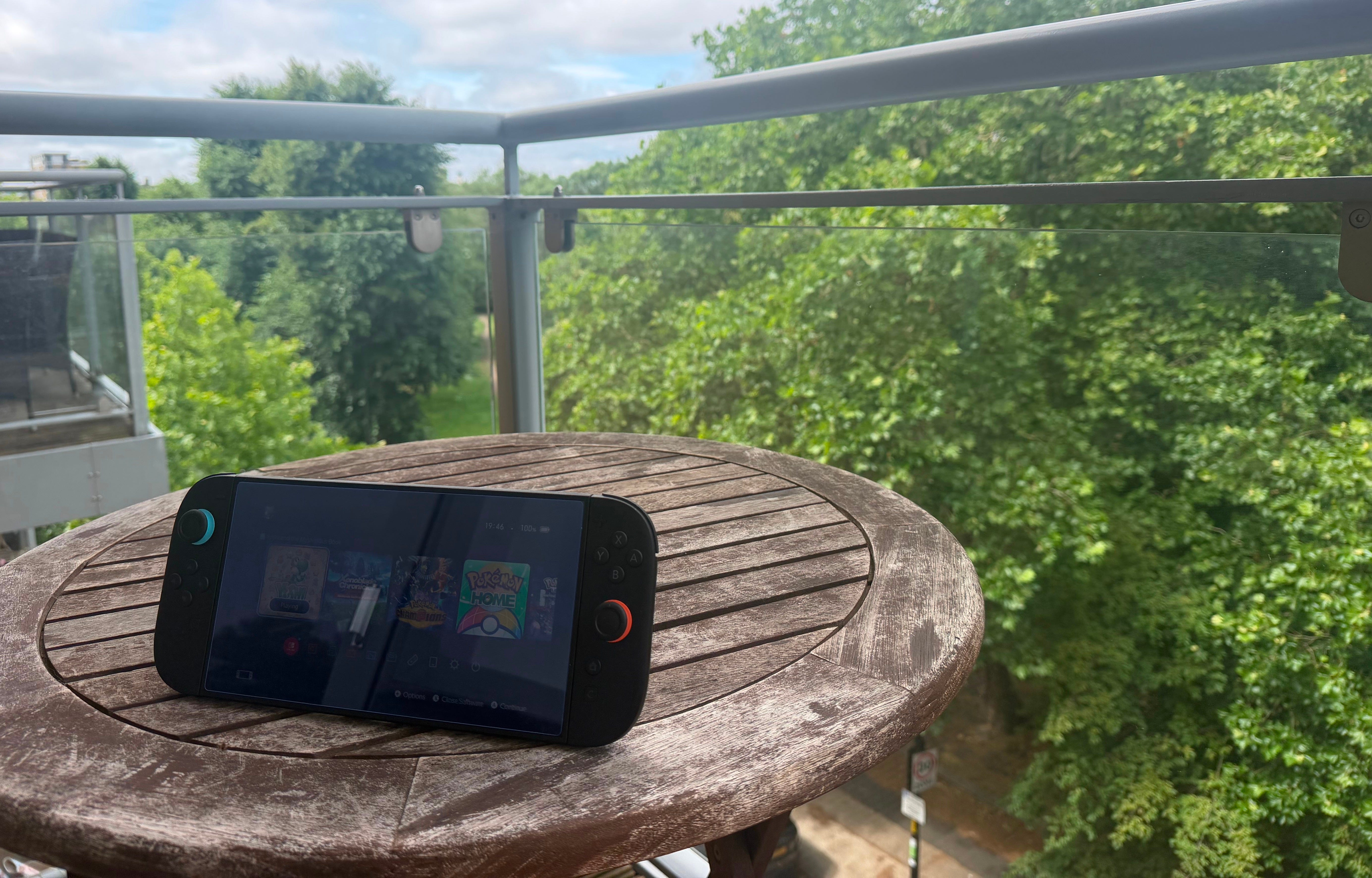
There’s two clear reasons as to why this hasn’t already happened. The first: It requires another port for a SIM. The second, searching for connectivity (and maintaining it) drains a lot of battery.
Technology has solved the first problem: eSIMs are now commonplace. In fact, the physical SIM may be going the way of the headphone jack in the near future.
Why is this helpful? Well, it unlocks a lot more gaming on the go options. Especially in transit hubs like airports or stations, where wi-fi can be dubious or patchy. Just look at what’s available via mobile phone gaming.
Beyond that, it’s another solution for the perennial Airbnb wi-fi issue. Again, all accommodation will say their wi-fi is excellent, but trust me, that’s rarely the case.
Build in additional battery life options
If you are paying attention to the news, more airlines are cracking down on portable batteries due to an uptick in cabin fires resulting from them. Some are outright banning their use on the plane with airlines across the US are leading the charge here (no pun intended). Given a lot of global aviation regulation actually comes from bodies the United States, you can expect others to follow suit.
For most travellers, this is an annoyance. For Australian and New Zealanders, who have to travel at least six hours to go anywhere meaningful, it’s a major frustration. It rations your gaming during what is a very good time to game, as it’s a gamble whether the USB port on the plane can power your device. Some of them ration energy like the plane’s arrival depends on it.
The only viable solution for this is to prioritise battery life of the device over other functions, which is a shame. The only reason this is last on the list, is because it’s a give-in that it will happen eventually. Next generation batteries (solid state batteries) that hold up to 50% more charge and are less flammable are making their way onto the market. Eventually they will find their way into consumer electronics, when the cost comes down.
And just to address what you may be thinking…
After all that, yes, I could just play games less while abroad. In a lot of cases, that’s what I’ve been doing. But, gaming is a great time filler between huge activities. Travel naturally creates so much down time. Even if you don’t game, think of how many books you read, or shows you watch while overseas. It’s all the same pool of time.
I’ve been critical here, but don’t get me wrong. I only write this as there’s always room for more. Surely screens can’t get much bigger. Device makers will have to work harder to find perks that make the upgrade worthwhile as graphics in gaming start to plateau.
If this helps out any budding device designers, you’re welcome. If this helps out Nintendo, well, I’ve always wanted to visit Nintendo Land. I promise, I’ll bring my Switch 2.
Are there any features (travel or no) that you wish were included in the Switch 2? Let me know in the comments below.
I used to think it was great that the Switch 2 wasn't polluted with streaming services until I experienced the joy of Gran Turismo with my own Spotify music and the ability to watch actual Formula 1 on PS5 on a Sunday if I so desire. I couldn't agree more.
Omg I totally agree! I was honestly shocked that the Switch 2 doesn't even run YouTube. Especially since the original Switch can, it would be amazing to have streaming services on the Switch 2, since its predecessors, such as the Wii U, were able to run YouTube and Netflix. It feels like an extra reward for a gaming console, especially a handheld, to run streaming services.